CASE STUDY: Tesselaar Flowers
What do you do when you work in a market where margins are tight, the product doesn’t last longer than five days before it‘s worth nothing, and factors such as today’s weather impacts stock availability?
These are some of the factors that Tesselaar Flowers faced when creating a national distribution network to deliver fresh flowers overnight across Australia for a wide variety of premium-quality flowers.
The business of wholesale distribution is a fine balance between being a product specialist and a logistics black belt where all parts of the supply chain are as important as the others, where getting one wrong has a ripple effect on the next.
Tesselaars needed to solve several problems to grow past the glass ceiling that many other wholesalers faced, most of which were comprised of the sheer volume of data-driven decisions made by the team to limit the number of possible mistakes. Any of these mistakes would impact profitability and the viability of the business.

The sales engine needed to engage the client base on a variety of fronts from SMS, emails, phone calls and website services, supported by field teams and marketing events to build and drive the brand.
The logistics engine needed to have just what the clients needed, when they needed it, and in the volume needed, otherwise the clients would buy elsewhere.
Additionally, the logistics engine had to have the capacity to buy at the right price, send the correct quantity to the right warehouse in anticipation of national demand, all to ensure that products arrived next day in water.
Last, factors like time of year, seasonality of products, the weather, the mood of the end user, economic pressures, product availability, time to supply, reliability of supply, having the right species and colours, all needed to be managed to support the just-in-time nature of the business.
Enter CRM Strategy, who created layers of technology from databases, websites, process automation, integration between systems and decision–support for the complete automation of the buying process. This enabled an end–to–end engine allowing Tesselaars to have a multi-channel sales engine which provided the right level of engagement and cost–to–service for all clients, from the more ad hoc buyer to the high touch large buyer.
We designed the systems to provide each person in the value chain with exactly what they needed to handle the transaction, with little to no need for middle-management supervision since we streamlined all transactions to be correct at the start.
A simple example? Sell what you have and what you can deliver. Simply put, have the logistics fulfilment decision-process pre–built and calculated so as the salesperson takes an order, they know they can fulfil it. They know the costs of packaging, shipment, shipping routes and time cut-offs are all pre-set.
We executed the project as a partnership to deliver the technology services needed. We examined all aspects of the value chain and streamlined as business cases presented themselves, which delivered both small and large innovations to the business.
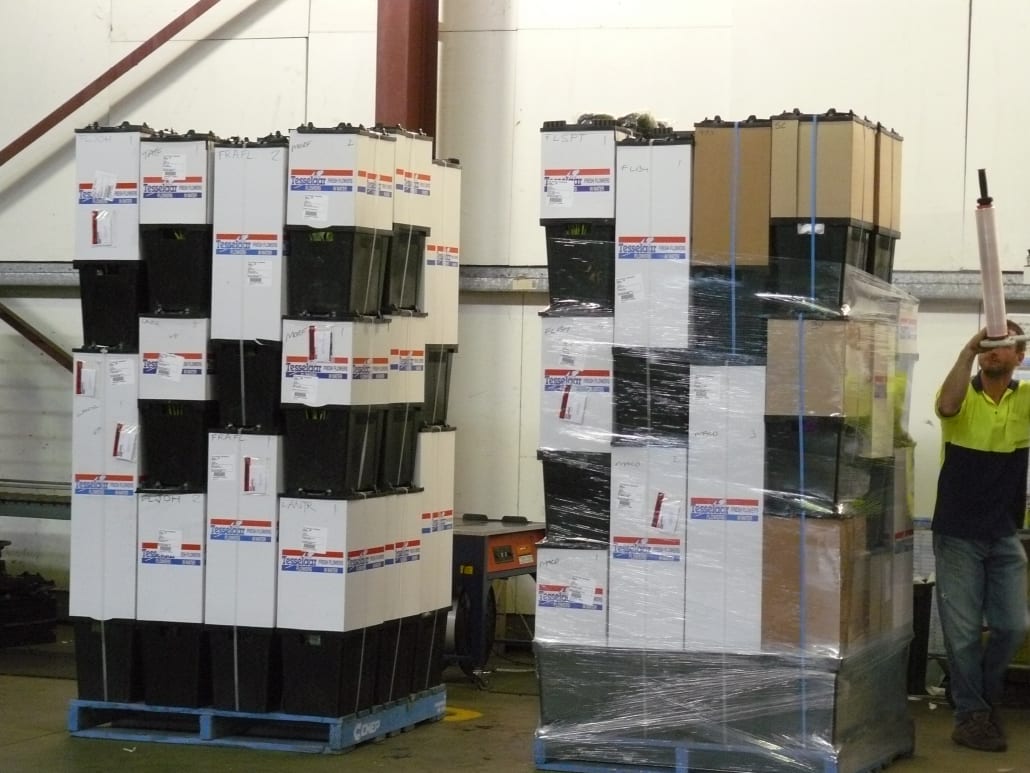

The result to Tesselaars was a series of technical advantages that enabled the business to expand past previous ceilings, reduce the headcount responsible for handling day-to-day transactions and remove the need for middle–managers and supervisors previously required to ensure transactions flow as they should.
The largest benefit to the business was the creation and hardening of the connection between supply and demand, monitoring the complex variables needed to ensure that product supply was in line with the sales and customer demand. This product supply requirement auto corrected up or down as needed based on actual sales and the shelf life of the product.
The clients got their flowers delivered overnight in water in exceptional quality at a predictable price with no surprises.
Tesselaars ensured it protected its bottom line, reducing wastage down to a minimum while still operating a national distribution business with a fraction of the staff normally needed for such an organisation.
The lessons learned:
- Create a great partnership with a vendor you can build trust with.
- Create a vision for the future, but then take small measurable steps towards that vision, measuring after each change.
- In deciding what to address, look to remove normal limits to open up options for changes. For example, what happens if I can’t have a large warehouse? How would/could I trade?
- Look closely at root–cause issues and use first principle thinking to understand options for resolving problems.
- Expect things to go wrong through the journey and have a solid risk management plan.
For more about CRM Strategy and how we can help, click here.